
Digital Marketing Insights & Strategies

Digital marketing is one of the most powerful ways for businesses to connect with their target audience, build brand awareness, and drive measurable growth. From search engine optimization (SEO) and social media marketing to paid advertising and content creation, digital marketing helps businesses reach potential customers at the right time and on the right platforms. By leveraging data-driven strategies, brands can improve online visibility, increase website traffic, and generate high-quality leads.
In today’s fast-paced digital landscape, staying updated with the latest trends and marketing techniques is essential for success. Businesses that embrace innovative strategies such as AI-powered marketing, personalized content, email automation, and performance analytics can gain a competitive advantage. Through this blog, you’ll discover actionable insights, industry best practices, and proven digital marketing strategies designed to help you grow your online presence, engage your audience, and achieve your business goals.
Blog Categories
Search Engine Optimization (SEO)
SEO is the practice of improving a website and its content so it can be discovered, understood, and trusted when people search for relevant topics. Where this used to be focused on traditional search engines like Google and Bing, SEO now also helps content appear in AI-powered search experiences, chatbots, and other discovery platforms. SEO combines technical improvements, content optimization, and brand-building to increase visibility, attract the right audience, and support business goals.
What Are Digital Marketing Trends?
1. AI-Powered Marketing Becomes the Default
Artificial intelligence is no longer just a competitive advantage, it has become the foundation of digital marketing strategies. AI tools are helping marketers in content creation, predictive analytics, automate processes, analyze massive datasets and deliver personalized experiences at scale.
There are also AI-driven platforms that help to improve campaign performance by analyzing user behavior, predicting buying intent and optimizing content in real time. This means the marketer does not have to depend on manual optimization. They can now rely on machine learning algorithms to improve ROI and reduce wasted ad spend.
If you have not integrated AI into your marketing stack you may struggle to compete with AI-optimized competitors. The reason is simple. Your competitors will dominant you you in the following areas:
Key Areas Where AI Dominates
- AI content generation
- Predictive analytics
- Automated email personalization
- Dynamic website personalization
Real-World Example
Amazon uses AI-driven recommendation engines to personalize product suggestions for each user. Its machine learning models analyze browsing behavior, purchase history and search intent in real time. Personalized recommendations are estimated to drive a significant percentage of Amazon’s total revenue. AI improves conversion rates and increases average order value.
Expert Prediction for 2026: More than 80% of marketing campaigns will be AI-assisted, whether in content production, ad targeting, or performance analysis.
2. Performance Marketing Becomes Fully Data-Driven
Performance marketing is a digital strategy where advertisers only pay when a specific criteria of result is fulfilled. These criteria are measurable actions like a click, lead, sale or app install is completed.its result driven approach makes it one of the best practices you can use in 2026.
It is now following stricter privacy regulations and the nearly zero third-party cookies. This is why marketers can really depend more on first-party data and AI-based attribution models. You can also optimize campaigns in real time using automated bidding and predictive algorithms. They just have to move their budget allocation toward platforms that deliver measurable ROI and advanced analytics.
Key Performance Marketing Trends for 2026
- AI-powered bid management
- Predictive customer lifetime value modeling
- Advanced attribution tracking
- Cross-channel performance optimization
- Automated creative testing
Real-world Example
Airbnb uses performance marketing across Google and Meta platforms, using AI-based bidding strategies and predictive attribution models to optimize customer acquisition. Airbnb reduced wasted ad spend and improved ROI by focusing on data-driven campaign optimization instead of broad brand-only advertising.
Expert Prediction for 2026: Performance marketing budgets will increase significantly, but only brands using advanced analytics and AI optimization will see sustainable returns.
3. Search is Changing: AI Search and Zero-Click Results
The search engines are evolving beyond traditional keyword-based ranking systems. They are now integrated with AI and are providing direct answers without clicking on multiple websites. You can see its example as Google’s AI Mode or Overview. This shift is transforming SEO strategies.
This means ranking alone can not guarantee traffic. You must optimize your brand for search visibility, entity authority and structured content that AI systems can easily interpret and reference. The focus will move from “ranking #1” to become a trusted source that AI systems cite and summarize.
Major Search Shifts in 2026
- AI-generated search summaries
- Voice search growth
- Visual search expansion
- Zero-click searches increasing
Real-World Example
HubSpot optimizes content for featured snippets, structured FAQs and authoritative guides. Their strategy focuses on becoming a cited source in AI-generated summaries. They consistently dominate informational search queries and maintain strong organic visibility despite zero-click search growth.
Expert Prediction for 2026: Organic strategies will shift from pure keyword optimization to authority building, structured data implementation, and brand credibility enhancement.
Read Also: Digital Marketing Interview Questions and Answers
4. First-Party Data and Privacy-First Marketing
Privacy regulations and changing consumer expectations are also reshaping how marketers collect and use data. With the gradual elimination of third-party cookies and stricter global privacy laws, businesses must shift toward ethical, consent-based data collection models. You also might have experienced these models on different websites where they ask about cookies.
It has become one of the most valuable assets for digital marketers. This includes data collected directly from customers through websites, CRM systems, email subscriptions and loyalty programs. This kind of data is also more accurate, compliant and reliable.
Key Privacy-Driven Marketing Shifts
- Consent-based tracking
- Server-side tagging
- CRM integration
- Zero-party data collection (user-provided preferences)
- Contextual advertising replacing behavioral tracking
Real-World Example
Starbucks uses its mobile app and loyalty program to collect first-party data directly from customers. It tracks purchase behavior, preferences, and visit frequency. This data allows hyper-personalized offers increasing repeat purchases and strengthening customer loyalty.
Expert Prediction for 2026: Companies that prioritize first-party data strategies will outperform competitors relying on outdated tracking methods.
5. Social Media Marketing Using Short-Form Video
Consumers nowadays like short forms of content that can inform them of everything they want to know. This is where Social Media Marketing strategy, short-form video, is dominating over the internet. They include amazing visuals and related content, which makes them the most powerful engagement tool. Almost all most used social media platforms have already added short videos in their algorithms like Youtube, Meta, Instagram and more.
This strategy is not just a social media tactic. It has become a central digital marketing strategy. Brands are using micro-storytelling to deliver value quickly and drive higher engagement rates compared to static posts or long-form text.
Where Short-Form Video Will Thrive
- YouTube Shorts
- Instagram Reels
- LinkedIn short videos
- Short educational explainers
Real-World Example
Duolingo built a massive presence on TikTok and Instagram using humorous short-form videos featuring its mascot. The brand gained millions of followers and significantly increased app downloads through organic short-video engagement.
The Future of AI in Marketing
Add Your Heading Text Here
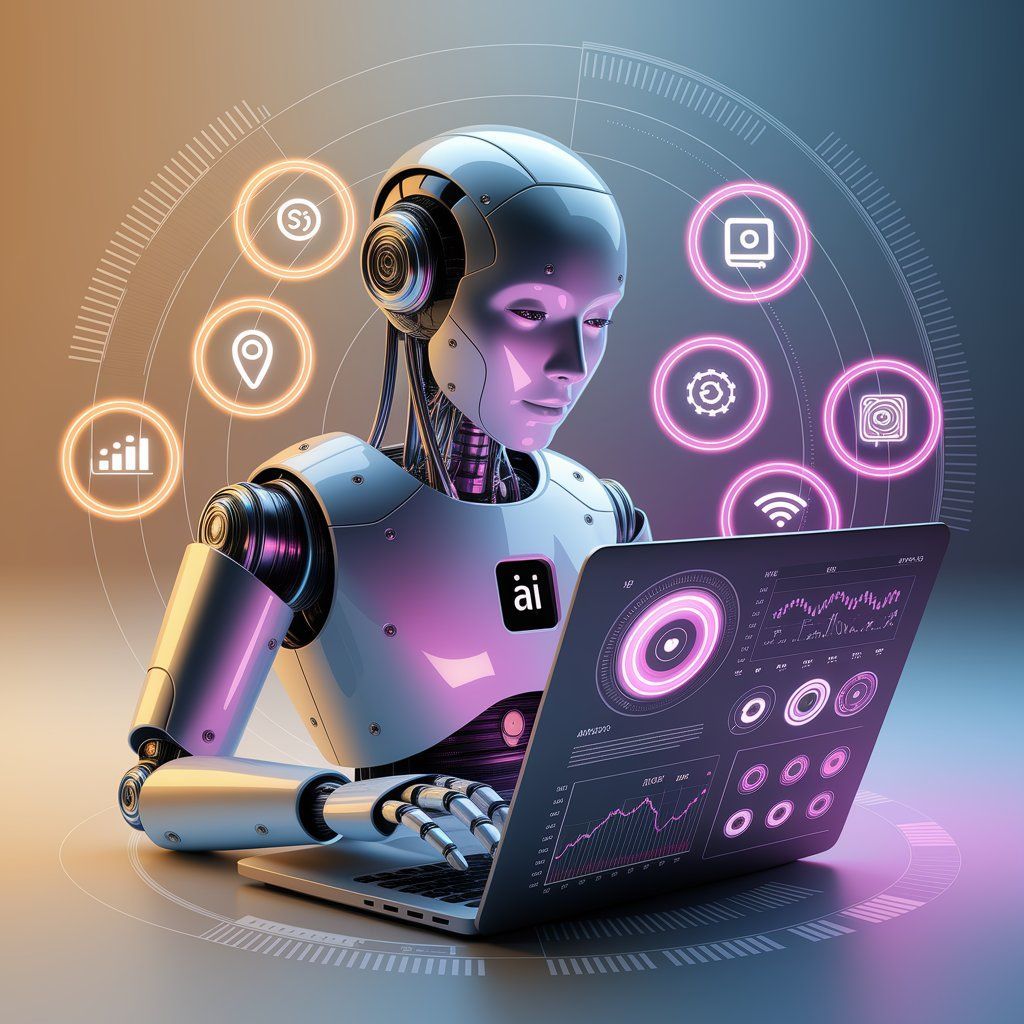
AI marketing is the next big thing. It will shift brands away from marketing automation toward personalized experiences (finally!). But there’s a great irony here in that artificial intelligence is needed to humanize marketing. Thanks to mobile, social, real-time tech, consumers are always on. With the prevalence of on-demand apps and services and the influence of social media in how people connect, share and communicate, consumers are also becoming more demanding and (accidentally) narcissistic. They want things now. They’re increasingly impatient. They want engagement personalized. And they want new and exceptional experiences.
This is nothing new. Digital marketers have witnessed this incredible shift over the last 10 years. Experts have long talked about the need for personalization, cross-channel and omnichannel integration, responsive/adaptive design and dynamic engagement. But after all of this time and progress, there’s been little innovation in marketing to better engage consumers in ways that they expect and prefer.
How conversational AI will replace traditional search
We’re already witnessing the shift with more AI-powered results appearing on Google in recent days. In 2026, the traditional way of interacting with search engines – typing in keywords and scrolling through the results – will be a thing of the past.
Instead, imagine asking your digital assistant: ‘How can I best market a new product in Europe?’ and receiving a detailed, personalised strategy within seconds. AI-powered search engines like SearchGPT don’t just display links; they analyse your question, understand your intent and deliver answers that feel like you’re consulting with an expert.
For marketers, this means a fundamental shift in content creation and optimisation. Instead of focusing on keywords, imagine creating content that enters into a conversation with AI – anticipating follow-up questions, providing in-depth explanations and adapting to the context of the user’s query.